
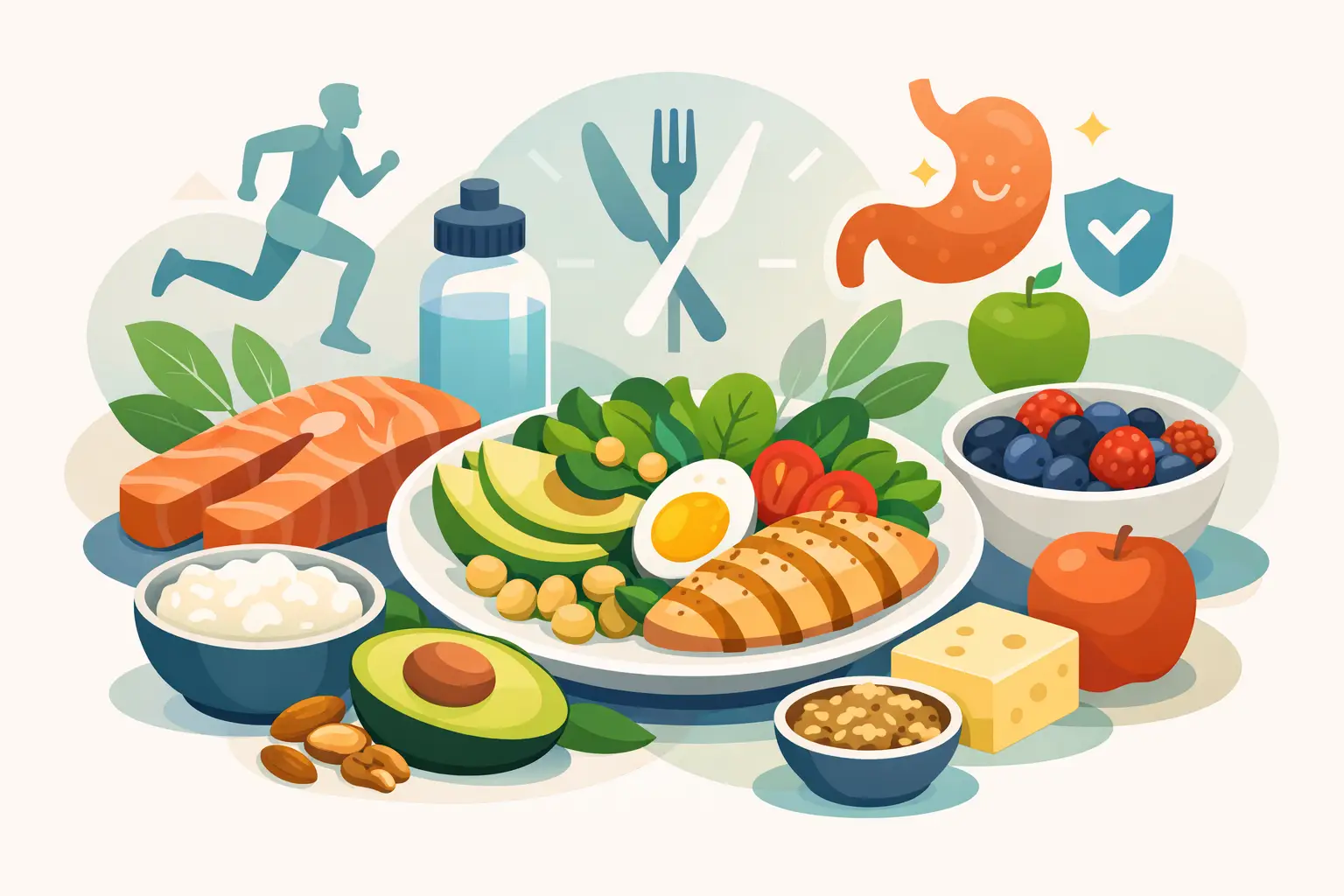
A meal can look healthy, fit your calorie target, and still leave you hunting through the pantry an hour later. That is where the best foods for satiety can help. They are not magic foods that erase hunger. They are foods that help you feel comfortably full for longer, so the next choice feels a little less urgent.
This matters when life is already demanding. If you are working late, caring for someone else, recovering from a rough week, or trying to return to a routine after time away, extreme restriction usually adds pressure without solving much. Filling meals give you more room to make steady decisions.
What makes a food satisfying?
Satiety is the feeling of fullness that lasts after eating. It is influenced by more than calories. Protein, fiber, water content, texture, and the amount of time a food takes to eat can all play a role. So can sleep, stress, your activity level, medications, and whether you have been under-eating earlier in the day.
Foods with protein and fiber tend to be especially helpful because they digest more slowly and add physical volume to a meal. Fats can also make meals more satisfying, though they are calorie-dense, so a modest portion often works better than treating them as the whole meal.
There is no single perfect satiety food. A large salad may feel filling to one person and leave another genuinely hungry. The goal is not to override your appetite. It is to build meals that give your body enough substance to carry you to the next meal without turning food into a constant negotiation.
12 best foods for satiety
1. Eggs
Eggs offer protein, fat, and a satisfying texture in a small package. A couple of eggs at breakfast can be more sustaining than a pastry or sweet cereal, especially when paired with fruit, potatoes, or whole-grain toast.
If mornings are rushed, hard-boiled eggs are useful, but they do not have to be a daily rule. Use them when they are convenient and enjoyable.
2. Greek yogurt or cottage cheese
Plain Greek yogurt and cottage cheese are high-protein options that work in both meals and snacks. Add berries, sliced banana, oats, nuts, or seeds to make the portion more complete. A bowl of yogurt alone may not hold you for long if you are very active, but it can become a reliable meal with a few additions.
Choose the version you actually like. Lower-fat and full-fat options can both fit, depending on your preferences and overall intake.
3. Beans, lentils, and chickpeas
Beans and lentils bring together protein, fiber, and volume. That combination is hard to beat for an affordable, filling meal. Add black beans to tacos, lentils to soup, or chickpeas to a grain bowl or salad.
If beans cause digestive discomfort, start with a smaller serving and increase gradually. Canned beans rinsed well are an easy option, and consistency matters more than cooking everything from scratch.
4. Potatoes
Potatoes have an undeserved reputation as a food to avoid. Prepared in a way you enjoy, they can be very filling because they provide carbohydrate, water, and volume. Baked, boiled, roasted, or air-fried potatoes can make a meal feel more complete than a small serving of bread or crackers.
Pair them with protein and vegetables. A potato with chicken, salmon, tofu, or chili is a meal. A bag of chips is a different eating experience entirely, and that distinction matters more than calling one food good or bad.
5. Oats
Oats are a practical breakfast base when you need staying power. Their soluble fiber helps create a thicker, more substantial meal, especially when oats are combined with protein.
Try oatmeal with Greek yogurt stirred in after cooking, or make overnight oats with milk, yogurt, fruit, and peanut butter. If oatmeal leaves you hungry, the answer may be a larger portion or more protein, not giving up on breakfast.
6. Lean meat, poultry, and fish
Chicken, turkey, lean beef, tuna, salmon, and other fish provide concentrated protein that can make meals more satisfying. You do not need a large serving to benefit. What matters is including a meaningful protein source rather than building a meal mostly from quick-digesting carbohydrates.
Salmon and other oily fish add more fat, which some people find especially satisfying. Leaner proteins can work just as well when the meal includes a flavorful sauce, grains or potatoes, and vegetables.
7. Tofu, tempeh, and edamame
Plant-based protein can be filling too. Tofu takes on the flavor of a stir-fry, curry, or sheet-pan meal. Tempeh has a firmer texture and more fiber. Edamame is an easy snack or addition to rice bowls.
These are useful choices for anyone who wants more variety, not just people who eat fully plant-based. A repeatable meal is easier to keep when you have more than one protein option you enjoy.
8. Whole grains
Brown rice, quinoa, barley, whole-wheat pasta, and whole-grain bread can add more fiber and chew than refined versions. They are not automatically better in every situation. White rice or regular pasta may be easier to digest before training or during a sensitive stomach day.
For everyday meals, whole grains can help create a steadier fullness when paired with protein and produce. Think of them as one part of the plate, not a test of nutritional virtue.
9. Berries, apples, and oranges
Whole fruit is often more satisfying than juice because it includes fiber, water, and chewing. Apples and oranges travel well. Berries add volume to yogurt or oatmeal without requiring much preparation.
Fruit can be a snack, but it is often more sustaining with a partner. An apple with cheese, orange with yogurt, or berries with cottage cheese is likely to last longer than fruit alone.
10. High-volume vegetables
Vegetables such as broccoli, carrots, zucchini, green beans, peppers, cauliflower, and leafy greens can make a meal physically larger without adding many calories. This is helpful when you want a generous plate, not a tiny meal that looks like a penalty.
Frozen vegetables count. Bagged salad counts. Pre-cut vegetables count. The best option is often the one you can prepare on a Wednesday night when your energy is low.
11. Nuts, seeds, and nut butter
Nuts and seeds add fat, fiber, and crunch, which can make a meal feel more complete. Because they are energy-dense, a small handful or spoonful is usually enough. Add peanut butter to oats, walnuts to yogurt, or pumpkin seeds to a salad.
They work best as an addition rather than the only part of a snack. Nut butter on toast with a glass of milk or yogurt is more likely to satisfy than eating spoonfuls from the jar while standing in the kitchen.
12. Soup and chili
Brothy soups, bean soups, and chili can be deeply satisfying because they combine fluid, texture, protein, and fiber. They are also forgiving. You can make a large batch, freeze portions, and have a meal ready when planning is not happening.
For better staying power, include protein and a carbohydrate source. A vegetable broth alone may be light; chicken-and-rice soup, lentil soup, or turkey chili is more likely to carry you through the afternoon.
Build meals, not food rules
Satiety usually comes from combinations. Instead of asking which single food will keep you full, try building around three anchors: a protein source, a fiber-rich carbohydrate or produce, and a fat or flavor element that makes the meal worth eating.
A few ordinary examples: scrambled eggs with potatoes and fruit; a turkey sandwich on whole-grain bread with vegetables and hummus; Greek yogurt with oats, berries, and nuts; or rice, tofu, frozen vegetables, and a sauce you like. None need to be perfect. They just need to be enough.
Portion size still matters. If you are consistently hungry soon after meals, you may need more food overall, more protein, or more carbohydrate around training. If you feel uncomfortably full, reduce the volume slightly or spread food across meals and snacks. Your own patterns are more useful than generic rules.
Use hunger as information, not a grade
A higher-satiety meal is not meant to make you ignore hunger until dinner. Hunger is normal. It can also be stronger after poor sleep, hard training, a long fast, illness, or a day when meals were delayed. That does not mean you failed your plan.
Notice what happens after common meals. Do you feel steady for three or four hours? Do you get distracted by food an hour later? Are you satisfied physically but still wanting something because the meal felt bland or restrictive? Those observations can guide the next meal without shame.
Start with one swap that feels realistic. Add eggs or yogurt to breakfast. Put beans in dinner twice this week. Keep soup in the freezer. A filling meal will not fix every hard day, but it can make the next decision easier, and that is often enough to help a routine take hold again.